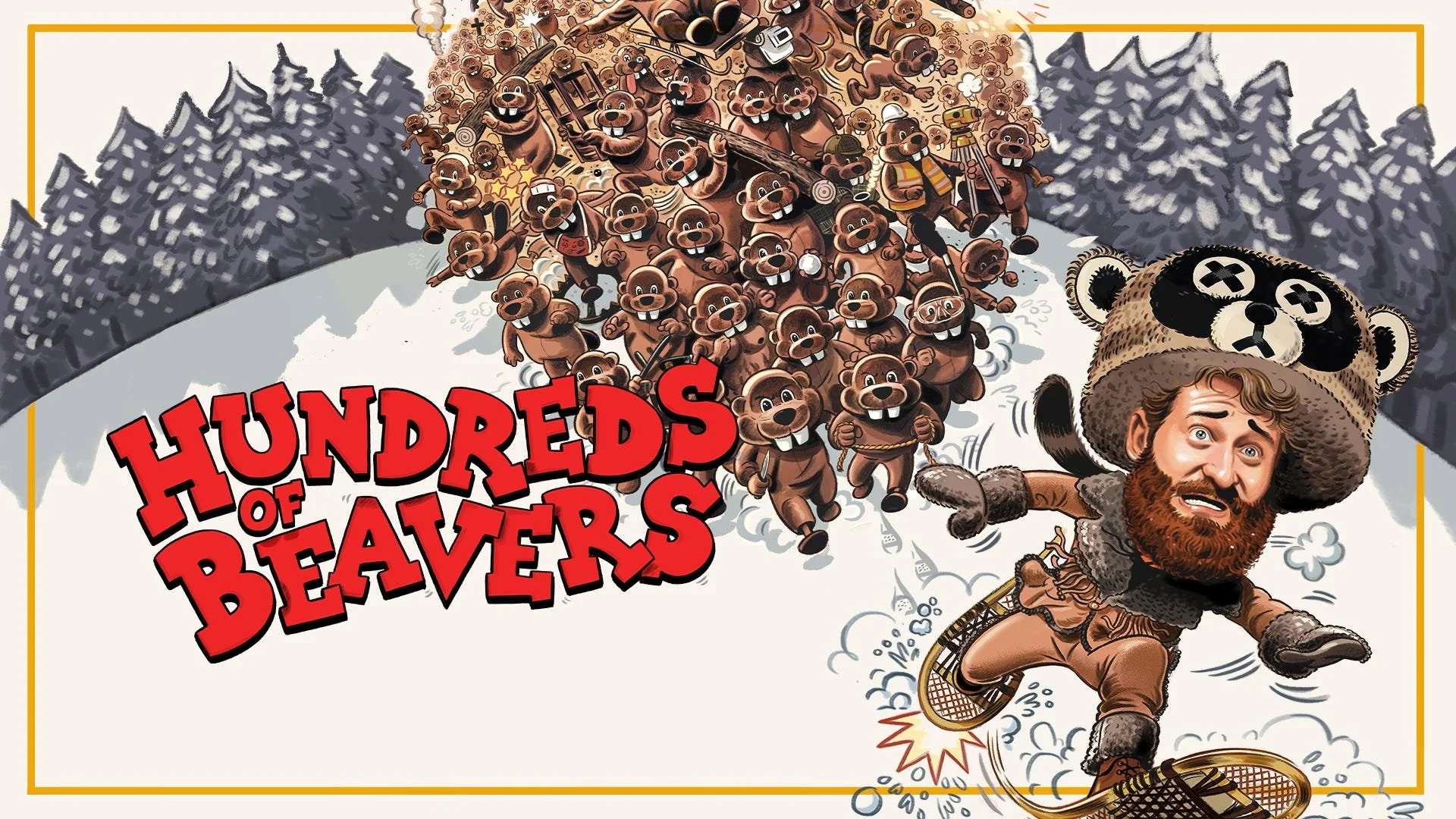
I had fun while watching Hundreds of Beavers - but more crucially, I felt alive. Getting to engage with something alongside others in such a visceral way was the precise experience I needed at this moment in my life.
DEREK EX MACHINA, created by author and editor Derek L.H., is a blog dedicated to exploring the effect that video games and film have on people.
All in Essay
I had fun while watching Hundreds of Beavers - but more crucially, I felt alive. Getting to engage with something alongside others in such a visceral way was the precise experience I needed at this moment in my life.
Spirited Away’s thematic density and depth are precisely what elevate it to greatness. Even I, as someone that takes issue with some major elements of the film, can comfortably call Spirited Away a masterpiece because it’s a film that begets looking at the world in so many different ways.
Don’t let the gorilla on the box art fool you - Donkey Kong Bananza is one of the most human games in this moment. Bananza is a shining beacon of what the environment of the games industry can and should be: a fun-filled exploration of new ideas packed to the brim with charm, polish, and clear love from the developers.
Making a game work in an open world context isn’t something that can be done by just taking a game and having it take place in a larger, non-linear environment. It takes strong direction to make open worlds work, and even then, there are many instances where an open world is simply incongruous with realizing a game’s greatest potential.
We need to rewrite the narrative about turn-based RPGs. Instead of being a genre often obstructed by the scary possibility (as perceived by some publishers, at least) that turn-based games inherently sell less because they’re perceived as outdated by the gaming masses, we should instead be celebrating and empowering developers for having the courage to make the games they truly want to make.
Every creator, regardless of what they make, shares a common goal: make something special; make something deeply meaningful to at least a single person. As a collection of creators, Monolith Soft remarkably succeeded at their goal of creating something that brought a smile to players’ faces because of the imaginative world they’ve created and the fun adventures and gameplay experiences that naturally come about in that world.
Whether it’s a game you love or hate, the connections you build with games are both personal and stronger than anything you can imagine. These connections, above all else, should be the basis of our discussions when talking about what makes the most meaningful and enjoyable games that we played over the last twelve months of our lives.
Banjo-Tooie is a cautionary tale about what happens when you try so hard to create something revolutionary and new that you partially forget what made the original experience so magical for a lot of people.
The theme of trusting your spirit to understand how you want to live your life is an idea that transcends age, gender, nationality, and walk of life. We all have a lot to learn from our spirit, but doing so isn’t an inherently easy thing to do. This is precisely what makes Kiki’s Delivery Service a timeless classic.
Despite all the darkness currently surrounding the industry, games like Super Mario Bros. Wonder and Astro Bot prove to be a beacon of light that remind us that there is still always hope for the future of games. Games that embrace fun, creativity, style, developer expression, and consumer-friendly release models still exist and they’re still thriving.
Whisper of the Heart revels in the meaning and impact of progress and how deeply complicated but ultimately rewarding that process can be. It can take years or even decades before we truly know what we want to do with our lives. And that’s okay - navigating that process in our own way is precisely what makes us human.
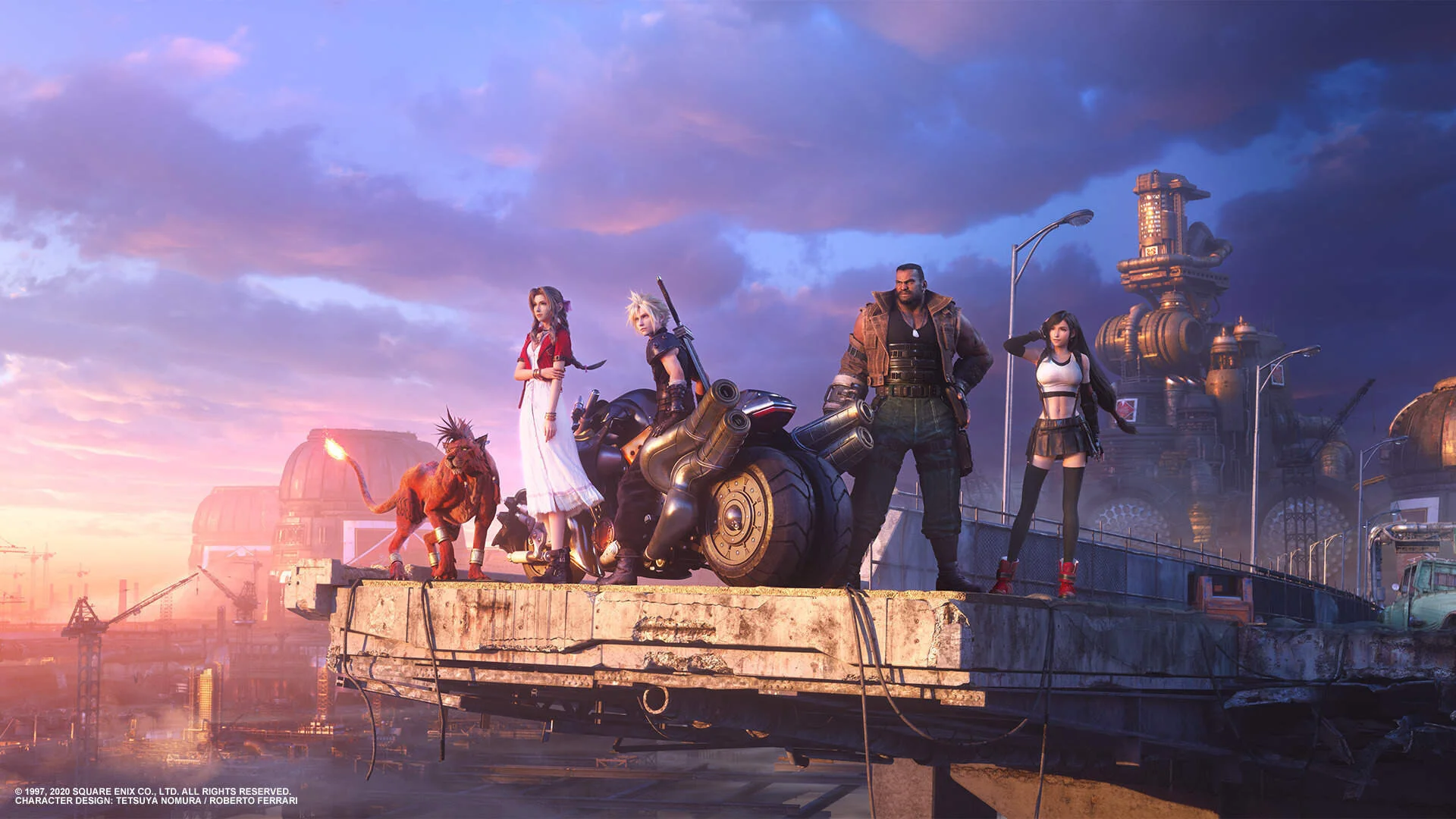
Final Fantasy VII Remake turned Final Fantasy VII into a game that I like into something that I am actively looking forward to seeing more of. It’s a special game that gives me a new degree of optimism and hope for the future of Final Fantasy - which is perhaps that greatest thing that Final Fantasy VII Remake could have possibly given me.
Breath of the Wild offers an unprecedented amount of adventure to the player - so much so that, even after four years, there are still many more adventures that the game invites players to embark upon. Breath of the Wild is ruthless in its devotion to keep players coming back to learn more and make more discoveries about it. That, above all, is what makes the game so unique and so magical, no matter how much time passes.
There is no one-size-fits-all strategy to announcing a project, nor is there a one-size-fits-all strategy for promoting a game pre-release. However, the differences in CD Projekt Red and Square Enix’s approach to marketing their biggest titles of 2020 do highlight that some strategies are more healthy and responsible than others. In an age where hype culture is so prevalent in the realm of gaming and in a year where two games suffered significantly different fates in large part due to how they were hyped and presented to the public, the term “hype responsibly” rings ever true.
[V]ideo games deserve to be commended for the comfort that they provided to hundreds of millions around the world in ways that no other medium could possibly replicate. This piece will be a reflection on the relationship between 2020 and video games, specifically the video games that provided an opportunity for us to cope and survive through a year of unprecedented anxiety and uncertainty for so many.
Link’s Awakening is but one example of how smaller-scale design can nevertheless make a world feel as believable and immersive as it is tightly constructed and uninterested in wasting the player’s time. Through its tight design and consideration for making an experience that provides a consistent feeling of progression and gradually expanding sense of freedom and exploration, Link’s Awakening ended up provides an adventure that I recall very fondly - an assessment that is in large thanks to the title’s size.
Everyone who plays Celeste will learn about how to learn and and get through hardship, which, in so doing, teaches its audience about mental health and illness, a topic that many pieces of media struggle to effectively talk about, and how it can be coped with. It is for teaching that lesson to its players that Celeste’s management of its difficulty and narrative serves can only be considered as masterful.
In a time where open world games are becoming more and more common, I feel that now is as an important a time as ever to bring into question when an open world enhances a game, and when it drags the entire game down. If this genre is to have a healthy future moving forward, it needs to be known when an open world game has mechanics that makes use of its open world and when it lacks mechanics that can cause much of its world to go ignored and uninhabited by players.
Whenever we judge any kind of experience - a movie, for example - we judge its value off of the core experience of watching that film, but with video games, it’s not as easy to do so. While many certainly do judge a game purely off of what it offers in its core gameplay (i.e. the story in a narrative-driven game, a combat system in an RPG, etc.), the side content of a game is something that I feel deserves more attention and credit. And when side content is delivered in a way that is as well-executed as Super Smash Bros. Ultimate’s offerings, it’s hard not to stop and appreciate the smaller, side-experiences that help elevate a good game into a phenomenal one.
This piece on 2001 is specifically focused on my interpretation of the meaning of the three monoliths that we see throughout the film, as well as my interpretations of the Star Gate sequence and Star Child imagery towards the end of 2001.